
Silicon Valley Wants to Install an 8‑Track in Your Skull.

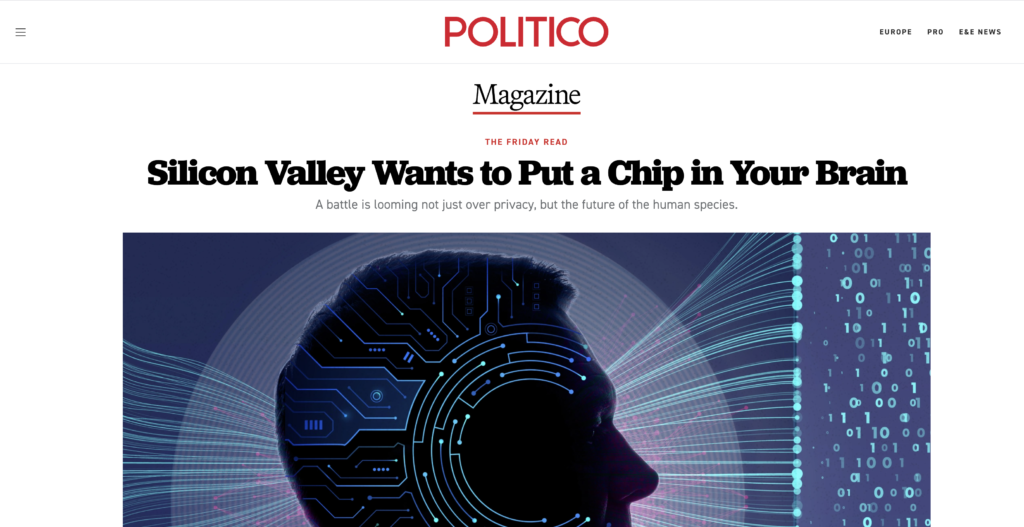
There’s a reason Big Tech leans on transhumanist fairy tales every time a new flop looms. From space tourism to VR headsets, the script is always the same: this isn’t just a product, it’s “the future of humanity,” and if you don’t buy in, you’re choosing extinction. Now it’s brain chips, marketed as the only way to keep up with AI, wrapped in apocalyptic language about “what makes us human.”
But look at the adoption reality we already live with. People balk at routine measles and polio shots: cheap, quick, and backed by decades of safety data, often enough that coverage drops and outbreaks return. The idea that those same publics will line up for elective neurosurgery so a startup can “merge” them with software is not just optimistic, it’s delusional. Right now, serious brain implants are overwhelmingly reserved for clinical necessity: Parkinson’s, epilepsy, paralysis, cases where the risk–benefit calculation is brutal but obvious. That’s a far cry from “everyone gets chipped.”
And even if you were reckless enough to volunteer, you’d be signing up for an obsolescence problem no PR pitch can hide. Silicon Valley runs on rapid hardware churn; Moore’s law and its cousins describe a world where yesterday’s cutting edge is tomorrow’s e‑waste. We already see “cyborg obsolescence” with cochlear implants and retinal devices: companies go bankrupt, stop supporting hardware, or push mandatory upgrades, leaving users with stranded, half‑supported systems fused to their nervous systems. A commercial brain chip today is not a sacred union of mind and machine. It’s an 8‑track glued in your head, controlled by a firm that can change the terms of service while you’re under anesthesia.
So when Politico solemnly warns that “there will come a time” when you decide whether to put a chip in your brain, what it’s really selling isn’t foresight, it’s mythology. The most likely future is not a planet of seamless human–AI hybrids; it’s a familiar one, where a tiny group of patients and early adopters shoulder surgical risk, a bigger group is quietly mined via noninvasive “neuro‑wearables,” and the rest of us are nagged to conform by headlines that confuse speculative PR with destiny. If this is the grand human upgrade, it’s remarkably hard to tell where the transcendence ends and the warranty begins.