
Canada’s New Cult: Underage Brides of the Information State

In Canada, we are quietly building a digital cult for youth. Minors are told they are old enough to have sex with adults under carefully scripted “close-in-age” exceptions, but somehow too fragile, too breakable, to be trusted with a social media account unless the state and its corporate proxies approve. They are not treated as emerging citizens; they are treated as underage brides in a political marriage, bound by vows they never made and rules they never wrote.
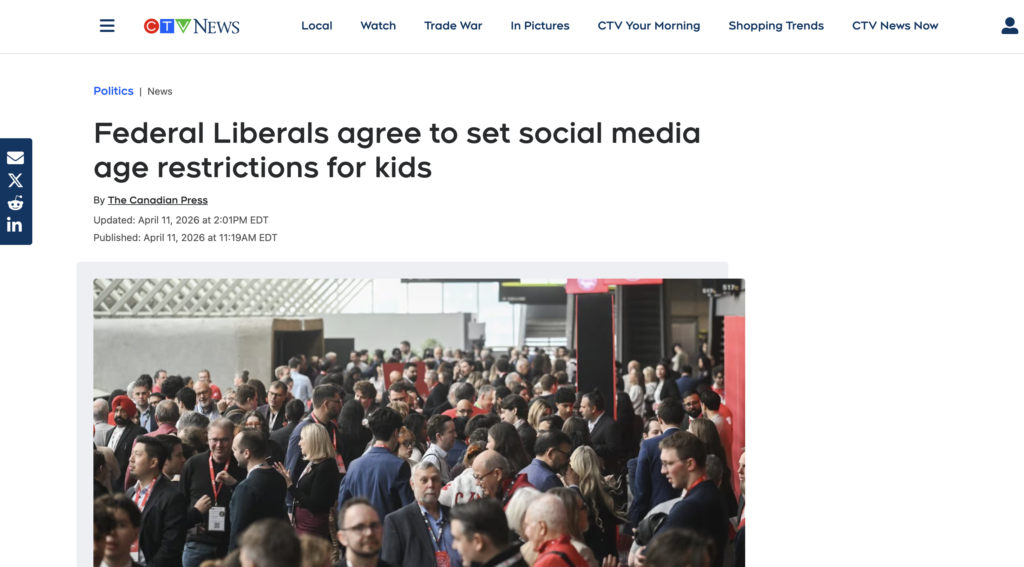
In this cult, the government plays the benevolent husband. It decides who they may hear, what they may see, and when they may speak. It insists that every intrusion is “for their own good,” that every wall is a shield, that every filter is an act of love. Youth are expected to obey. If they try to step outside the prescribed channels, if they seek unsanctioned voices, uncomfortable information, or real debate, the threat is not guidance but punishment: bans, blocks, and algorithmic excommunication.
The law is perfectly comfortable with teens navigating sex and intimacy under adult rules, but suddenly hysterical at the thought of those same teens navigating ideas. It is a regime that trusts their bodies more than their minds. You can consent to an adult relationship, but you cannot consent to following an account that might challenge the government’s preferred narratives. That isn’t protection; that’s custodial control over consciousness.
A sane, reality‑based society would start by listening to youth instead of speaking for them. It would equip them to navigate risk, contradiction, and conflict, not lock them in a curated nursery of approved speech. Instead, we are designing their silence, outsourcing the shushing to platforms and calling it safety. The state wants underage brides who smile, obey, and never raise their voices at the dinner table of public discourse. Youth deserve something else entirely: the right to grow into their own minds without being told they are too sacred to speak.