
Memo to Timothée Chalamet: Good actors get nominated for Oscars. Savvy actors win them.

Timothée Chalamet knows how to snatch defeat from the Jaws of Victory like a pro.
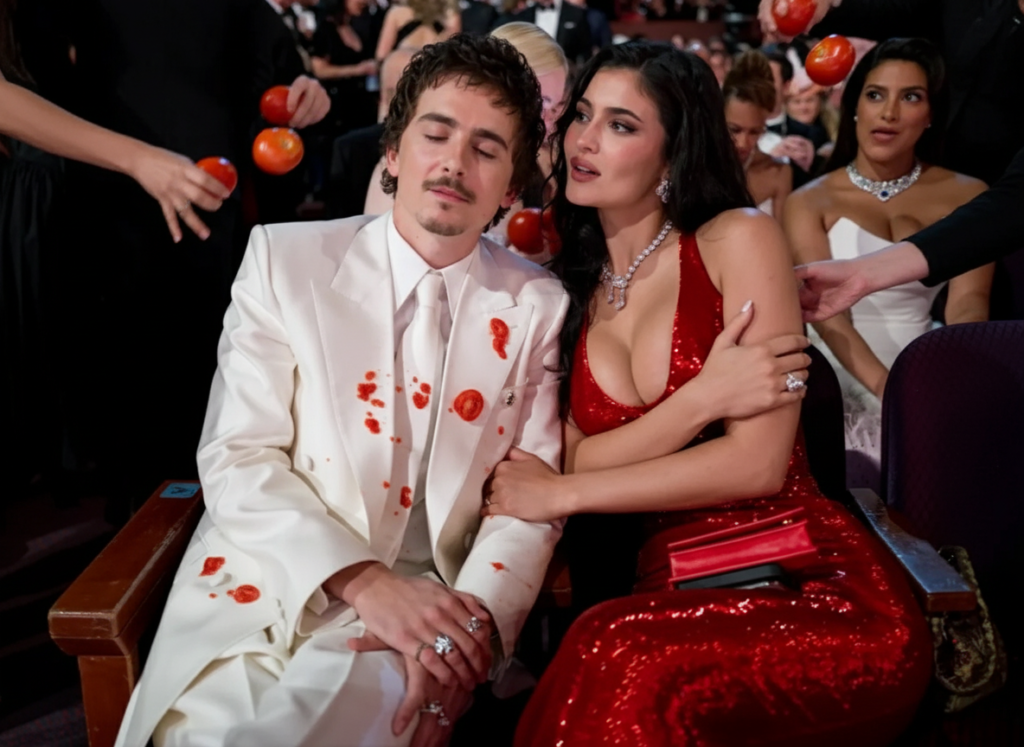
At 30, he is no longer a kid who is new to the A-list business. He is the youngest actor to get three Best Actor nominations by 30 since Marlon Brando.
But for a third time, Chalamet struck out.
And he is getting a drubbing by both the press and his peers.

The drubbing doesn’t come from nowhere: he has been told multiple times what he is doing is wrong, but he thinks he can tweak noses of elites and still get hardware from them. At 30, he’s too old to be the Next Big Thing, and Hollywood is just about ready to find a new one.
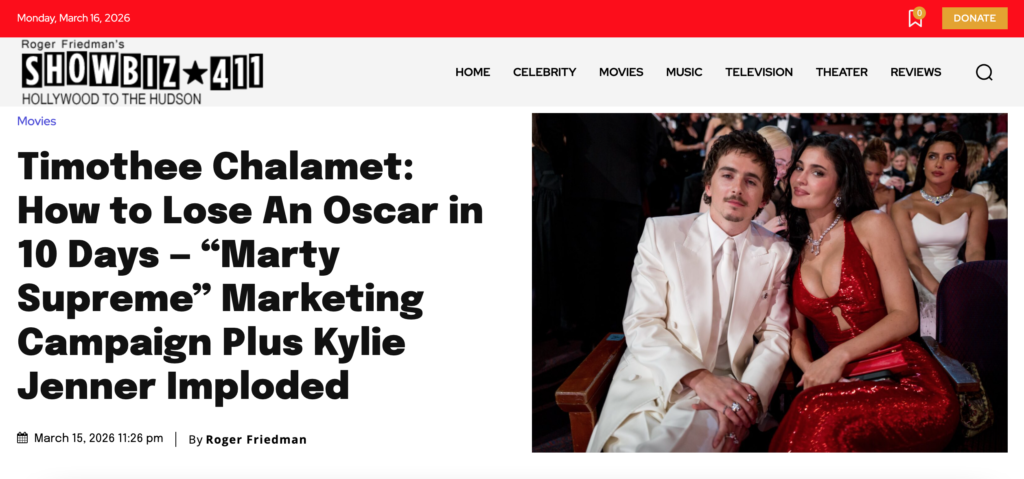
He thinks he can waste money sunk into his campaigns and there is no consequence, but an A-list Ferris Bueller he is not. He wasn’t just passed over; he was roasted from the stage and on social media, turned into a cautionary tale about arrogance during an existential crisis for the business.
It is one thing to tell off elites and then not bother with Oscar campaigns, but you can’t have it both ways, especially now.
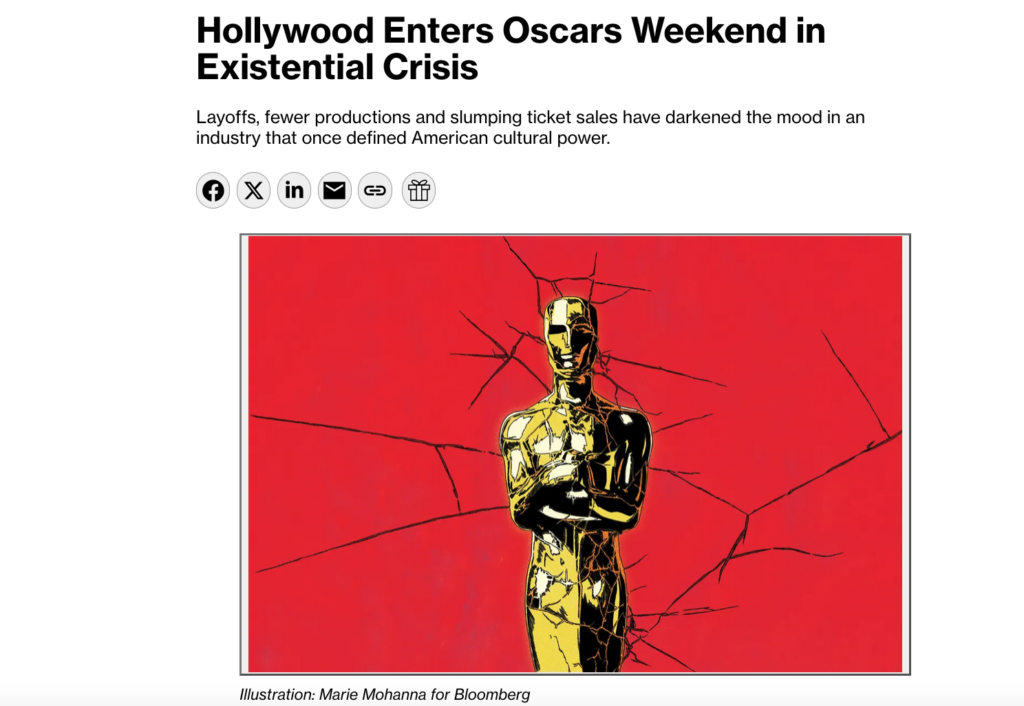
Chalamet doesn’t get it: he thinks he can coast on being a good actor: that will get you a nomination, but not a win.
Strategy wins Oscars, not talent. Every actor in that category is worthy to win. When an actor gets a nom, they have arrived.
Now the trick to win it is to deliver.
And Chalamet didn’t. He proved he wasn’t A-list material.
Actresses who are nominated dress tastefully. Actresses who don’t have a hope in hell wear see-through clothes hoping to get some attention.
His comments about the ballet came too late to impact his chances at the Oscars, but it was everything else he did, and they knew he was going to do it that sealed his fate, shut him out of an Oscar and got him public shaming instead.
Other awards begin as a test: they give smaller awards to see who behaves the best when it is a true toss-up. Chalamet flubbed it by canoodling with a Kardashian: a clan whose “romances” are transactional. He couldn’t ask his arm candy to tone down the bikini model factor because she is trying to sell her brand. She is the Kardashian who thought attaching herself to an A‑list actor would launder the family brand into respectability. Instead, she dragged him down into the same attention‑economy swamp he was supposed to be rescuing her from. Her scheme backfired more spectacularly than his glib trash antics and she looked far more embarrassed than he did.
Chalamet looked devastated because he thought there was only a single trick to winning an Oscar: give an Oscar-worthy performance. But the Academy is not going to drag itself down, especially when every misstep can have catastrophic ramifications for the industry.
Chalamet is free to date whomever he pleases as he dresses in Colonel Sanders cosplay, but AMPAS is also free not to condone it.
I doubt the next set of handlers will sink as much coin into an Oscar campaign for him. They can trust him to arrive, but he has proven unwilling to deliver. Oscar consultants will tell you, quietly, that once you’re nominated, the performance is a fixed asset; after that, it’s all about how you behave, who you stand next to, and how much “positive buzz” you can generate without embarrassing the institution.
When an actor, director, or screenwriter get an AMPAS nod, the institution is saying that any of the nominees are worthy of an Oscar. They are not going to put someone in that category that doesn’t belong. The performance is worthy of official sanction. Even the industry’s own analysts admit the Oscars aren’t a meritocracy; they’re a formula that mixes performance, buzz, lobbying and etiquette.
The win comes from proving you can be a legend and an ambassador to the industry. That’s where strategy comes in. You cannot, under any circumstances, be about you. You have to be about the whole. The Oscar isn’t the reward for best acting; it’s the promotion earned by the person the industry decides can carry its flag without dropping it.
And Chalamet didn’t get the memo. Until now.
Tags: Bloomberg, Daily Mail, Oscars, Rebecca Lawrence, Roger Friedman, Showbiz411, Thomas Buckley, Timothée Chalamet