Case CN · Integrated scale
China
- Robot deployment
- Very high
- Domestic supplier learning
- Accelerating
- Industrial coordination
- Systemic
- Known vulnerability
- High-end dependencies
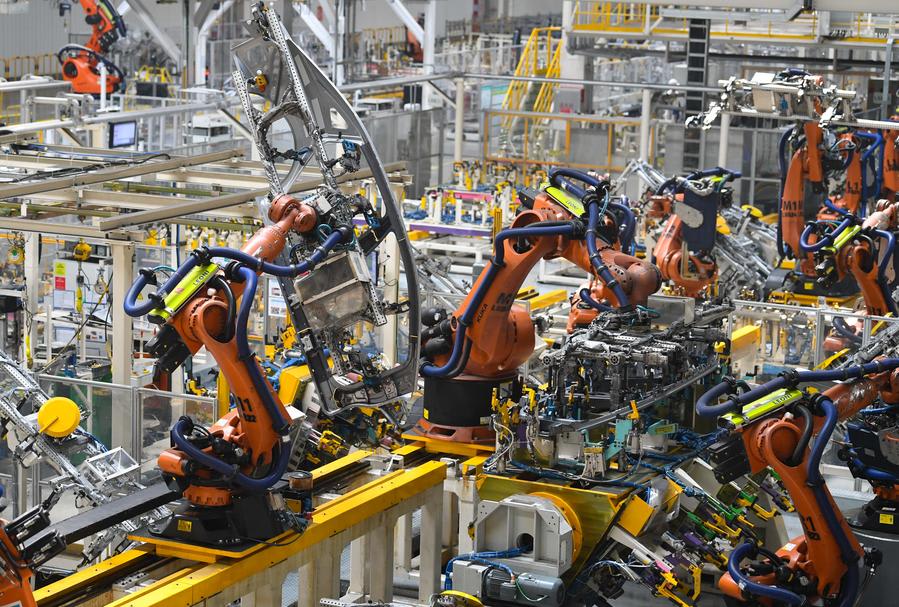
Case file 01 · Manufacturing after humans leave the floor
China built the visible machine. The deeper question is whether the United States and Canada built the system required to answer it.
A “dark factory” can operate with little or no human presence on the production floor. But complete autonomy remains rare. The consequential advance is the integration of machinery, sensing, software, networks, energy and specialised people.
Not an empty factory.Examine the production line. Every visible robot depends on less visible systems.
Evidence layer 01
Robot arms, CNC machines and autonomous material movers perform repeatable physical work. Their value depends on uptime, tooling and integration—not spectacle.
Select the numbered markers on the photograph.
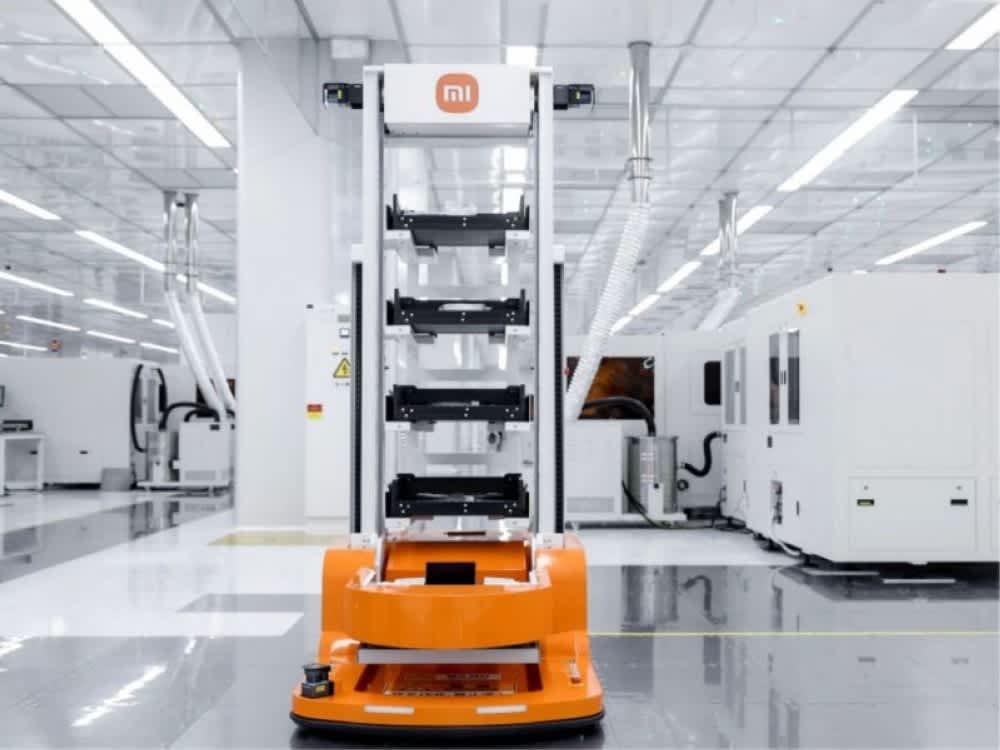
Tap each exhibit. National totals measure scale. Robot density measures intensity. Adoption surveys reveal how deeply technology has spread.
Caution: years and denominators differ. The exhibits are diagnostic clues, not a horse race.
The comparison changes when the unit of analysis is not a machine, but the industrial system surrounding it.
United States: strong brain, damaged circulation.
Canada: valuable organs, insufficient connective tissue.
A North American manufacturer is losing ground. Select exactly three interventions. The system will test whether your policy produces a factory—or merely a press conference.
A tariff can change a price, redirect a shipment or buy political time. It cannot manufacture machine tools, train controls engineers, build substations, integrate suppliers or make small firms technologically capable.
China’s advantage is not that every factory is dark. It is that automation has been treated as an ecosystem capable of learning at national scale.
“The trade war was fought at the border. The industrial future was built behind it.”