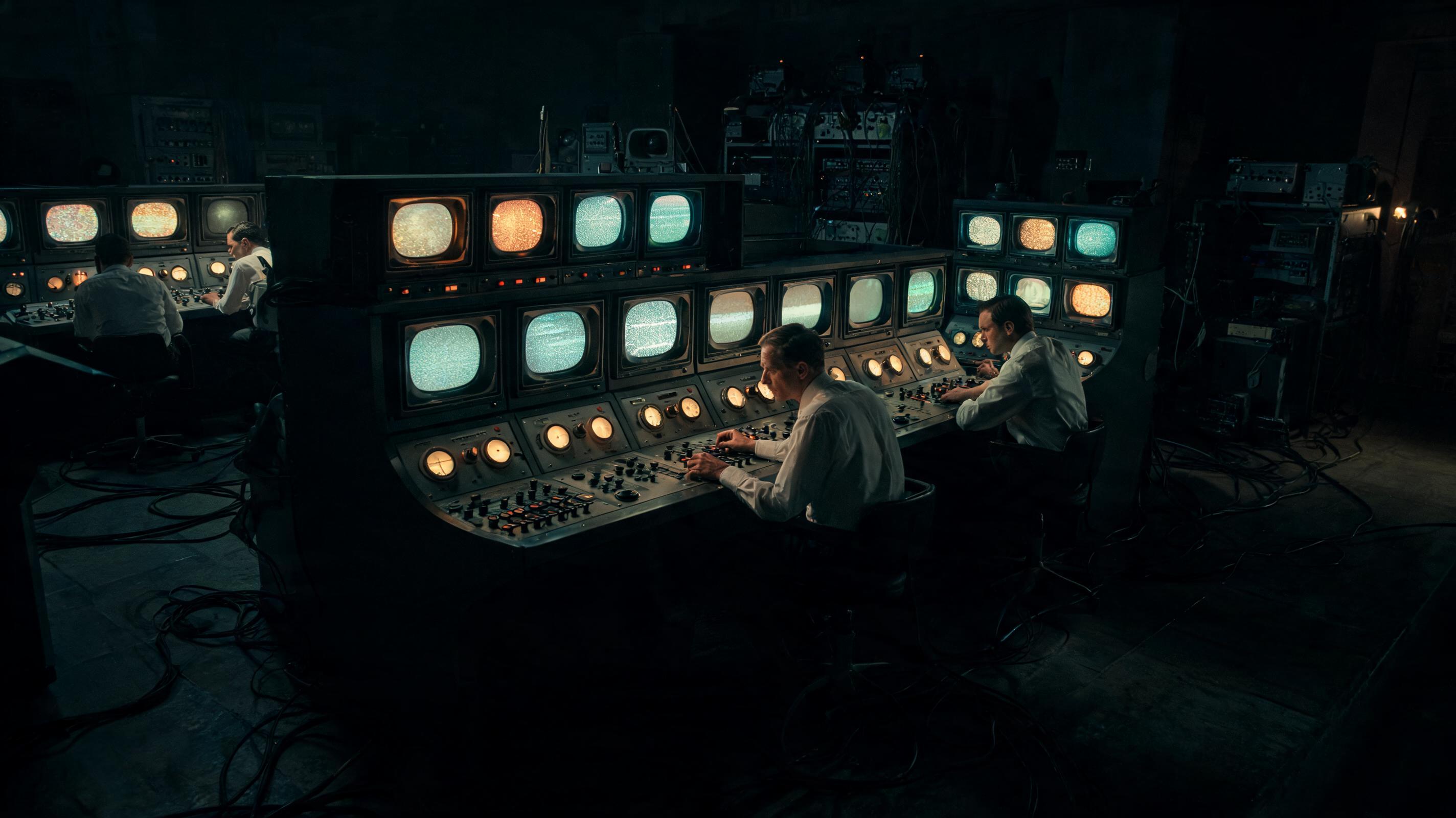

Vintage CBS broadcast control room with glowing monitors

AK Retro Case File · MW-1952

Access as Property

How one producer turned public events into private advantages—and built a playbook that television news never stopped using.

Subject: Don Hewitt, CBS News

Era: 1952–1979

Arc: Media as Weapon

The Argument

“These weren’t accidents of personality. They were techniques—and they were inherited.”

Don Hewitt is remembered as the inventor of 60 Minutes, the man who told every journalist the same four words: “Tell me a story.” What gets discussed less is the method underneath the charm: a consistent, tactical practice of converting shared public space—a press conference, a disaster scene, a White House lawn—into proprietary CBS territory.

The three moves documented below were not improvised. Each follows the same logic: identify the resource everyone assumes is common, and quietly arrange to own it before anyone else notices it can be owned. The subject changes. The structure doesn’t.

Documented Tactics

Three Moves, One Logic

Vintage broadcast headphones on a teletype printout Exhibit A · 1952

Republican National Convention — 1952

The Earpiece Move

At the 1952 Republican convention, Don Hewitt turned a chaotic press scrum into a near-exclusive. When reporters were shouting questions at Dwight Eisenhower’s freshly chosen running mate, Richard Nixon, Hewitt radioed instructions from the CBS anchor booth to his man on the floor: take off your headset and put it on Nixon. Told that Walter Cronkite and Edward R. Murrow wanted to talk to him, Nixon dutifully answered the questions coming through the earpiece. The trick meant CBS owned the full exchange while rival networks could only hear one side—watching their “open” news conference quietly become a CBS show.

The mechanism

Converted a shared press event into a private two-way feed by inserting a proprietary radio link between the subject and the CBS booth—invisible to competitors, decisive in outcome.
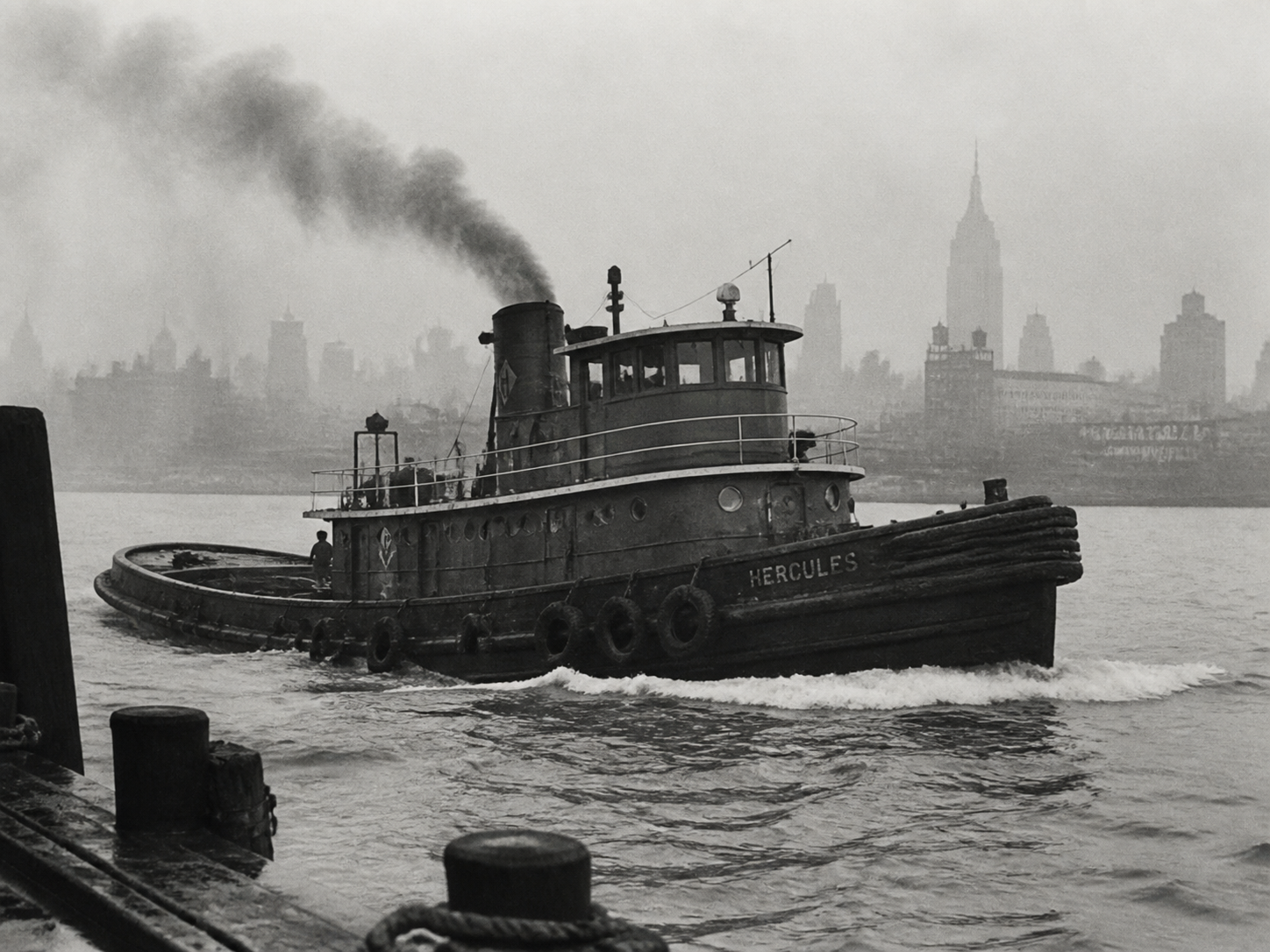
Vintage tugboat pulling away from a crowded dock Exhibit B · 1962

East River Plane Crash — New York, 1962

The Charter Move

When a plane went down in New York’s East River, every reporter chased the same witness: the captain of the lone tugboat that had pulled survivors and bodies from the wreck. As the captain started to talk, Hewitt cut across the questions: “Who owns this tug?” While the press pack groaned, he stepped to a pay phone and quietly arranged a charter. Minutes later the wheelhouse phone rang; when the captain came back he asked, “Which one of you is Hewitt?” Told the boat was now under charter to him, Hewitt’s first order was simple: clear everyone else off. Then, with only his own crew aboard, he took the tug back out and shot the first images from the scene—proving that in his world, access wasn’t found, it was bought and boarded.

The mechanism

Converted a public disaster scene into controlled access by purchasing the physical means of access—the vessel—while competitors assumed the scene was shared. Property law decided who got the pictures.

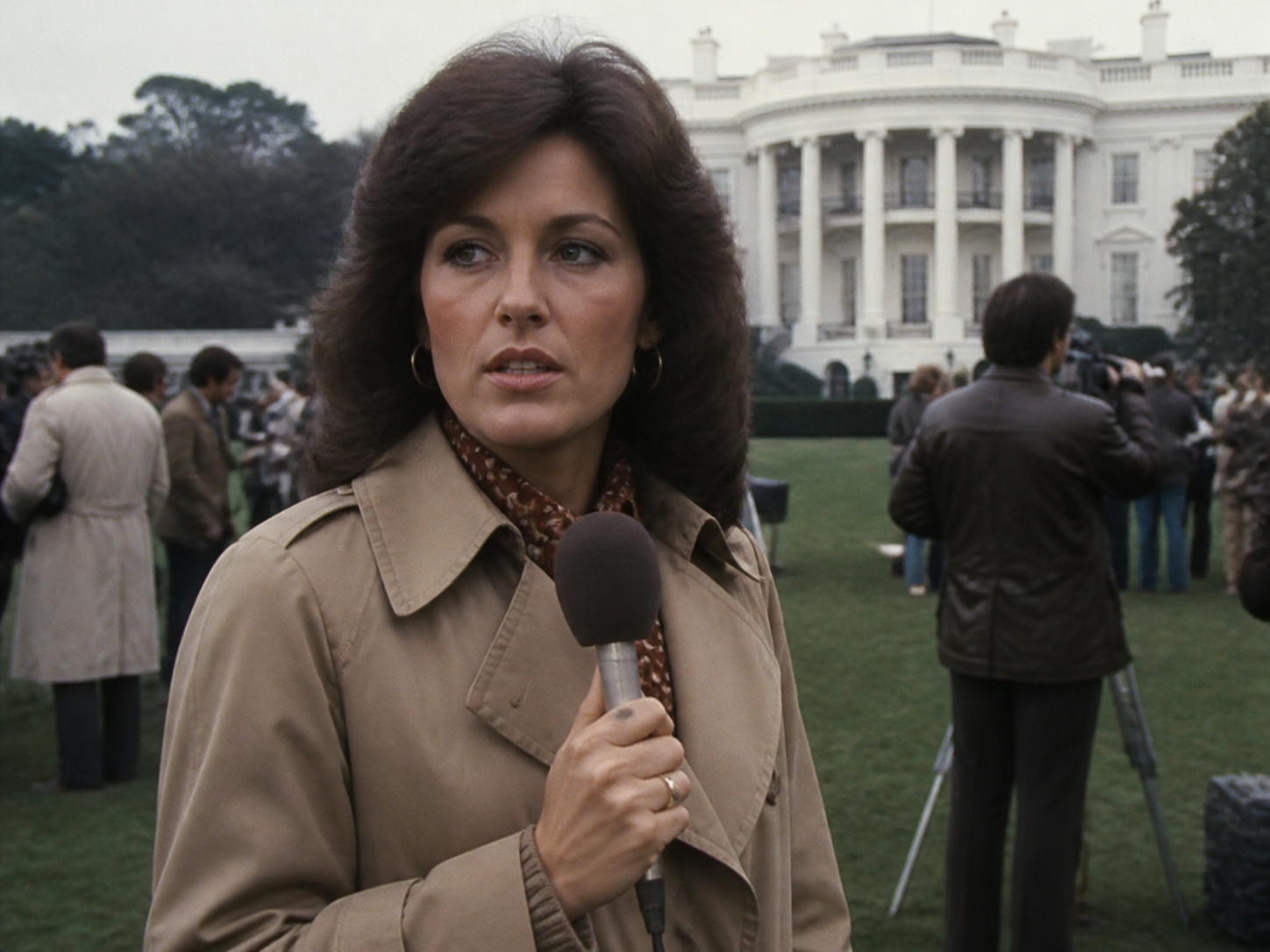
Female TV reporter doing a standup on a government building lawn, 1970s press corps Exhibit C · 1979

White House Lawn — Washington D.C., 1979

The Proximity Move

NBC’s Judy Woodruff had an exclusive: President Carter was about to nominate federal judge Shirley Hufstedler as the first secretary of education. She recorded her stand-up outside the White House, unaware that CBS’s Lesley Stahl—hired and shaped by Hewitt—was close enough to catch every word. Stahl quietly called her newsroom, and CBS pushed the story out on radio before Woodruff’s report aired, effectively hijacking the scoop. Stahl’s later defense—that Woodruff should have asked her to leave—says as much about the culture Hewitt built as it does about Stahl’s own instincts.

The mechanism

Converted overheard intelligence into a rival’s stolen exclusive. The public lawn became a listening post. The implicit rule—that a reporter’s work-in-progress is private—was treated as an opponent’s security failure.

Full Prose

AK Vignettes

At the 1952 Republican convention, Don Hewitt turned a chaotic press scrum into a near-exclusive. When reporters were shouting questions at Dwight Eisenhower’s freshly chosen running mate, Richard Nixon, Hewitt radioed instructions from the CBS anchor booth to his man on the floor: take off your headset and put it on Nixon. Told that Walter Cronkite and Edward R. Murrow wanted to talk to him, Nixon dutifully answered the questions coming through the earpiece. The trick meant CBS owned the full exchange while rival networks could only hear one side of the conversation, watching their “open” news conference quietly become a CBS show.Source: Don Hewitt, Minute by Minute (CBS, 1985), p. 154 — via If No News, Send Rumors

In 1962, when a plane went down in New York’s East River, every reporter in town chased the same witness: the captain of the lone tugboat that had pulled survivors and bodies from the wreck. As the captain started to talk, Don Hewitt cut across the questions with something that sounded absurdly off-topic: “Who owns this tug?” While the rest of the press pack groaned, he stepped off to a pay phone, called his desk, and quietly arranged a charter. Minutes later, the wheelhouse phone rang; when the captain came back he asked, “Which one of you is Hewitt?” Told the boat was now under charter to him, Hewitt’s first order was simple: clear everyone else off. Then, with only his own crew aboard, he took the tug back out and shot the first images from the scene—proving that in his world, access wasn’t found, it was bought and boarded.Source: Don Hewitt, Minute by Minute (CBS, 1985) — via If No News, Send Rumors

In 1979, NBC’s Judy Woodruff had an exclusive: President Carter was about to tap federal judge Shirley Hufstedler as the first secretary of education. She recorded her stand-up outside the White House, unaware that CBS’s Lesley Stahl was close enough to catch every word. Stahl quietly called her newsroom, and CBS pushed the story out on radio before Woodruff’s report ever aired, effectively hijacking the scoop. Stahl’s later defense—that Woodruff should have asked her to leave—says as much about the competitive culture of the beat as it does about Stahl’s own instincts. I lean on the 1982 accounts—Woodruff’s memoir and Mary Battiata’s Washington Journalism Review profile—because they were written while the sting was still fresh. In those tellings, Stahl doesn’t contest the idea that she benefited from eavesdropping; the denials don’t show up until later, after everyone involved has an image to protect.Sources: Judy Woodruff, This Is Judy Woodruff at the White House (1982); Mary Battiata, “Lesley Stahl,” Washington Journalism Review (October 1982)

Structural Analysis

The Recurring Logic

01

Identify the Assumed Common

Every move begins with a resource everyone treats as shared: a press conference, a crash site, a colleague’s standup. The first step is noticing that “shared” is a convention, not a rule.

02

Insert a Private Layer

Radio link, charter contract, or proximity advantage—a mechanism is quietly inserted that separates CBS’s access from everyone else’s, before competitors realize the separation is happening.

03

Act Before the Question is Asked

Speed is structural, not accidental. The charter call, the radio instruction, the newsroom tip—all happen in the window before rivals understand that a window exists.

04

Displace the Ethics Question

When challenged, the move is reframed as the victim’s failure of vigilance. “She should have asked me to leave.” The ethical burden is transferred to the person who didn’t protect their own asset.

Why It Matters

The Playbook Was Inherited

Hewitt’s moves didn’t stay with Hewitt. The logic—that access is a resource to be strategically acquired, not a condition to be waited for—ran through the culture he built at CBS News and later at 60 Minutes. The reporters he hired and shaped, including Lesley Stahl, operated with the same competitive DNA. The Hufstedler scoop is not an isolated incident; it is a downstream example of a methodology that was taught by example for thirty years.

By the time Hewitt left 60 Minutes, the show had become a case study in how a weekly program could consistently command access that daily news operations couldn’t match. Some of that was journalism. Some of it was the systematic application of the charter logic—knowing that the person who controls the physical or informational means of access controls the story.

The question the telescope asks is not whether Hewitt was brilliant or unethical. Both are true and both are beside the point. The question is: what does it mean when this playbook is so normalized that its practitioner can describe it publicly, in a book, without any sense that an explanation is owed?

“These weren’t accidents of personality. They were techniques—and they were inherited. The proof is that they kept working long after Hewitt left the room.”

Primary Sources

  • Don Hewitt, Minute by Minute (CBS, 1985), p. 154—Nixon earpiece and East River charter incidents
  • Judy Woodruff, This Is Judy Woodruff at the White House (Addison-Wesley, 1982)—Hufstedler scoop
  • Mary Battiata, “Lesley Stahl,” Washington Journalism Review (October 1982)—near-contemporaneous account
  • Stephen Bates, If No News, Send Rumors (1989)—synthesis source for all three vignettes
  • Television Academy, “It’s a Matter of Facts for Judy Woodruff” (2022)—later corroboration